Fallen Tree Removal in Reno, NV
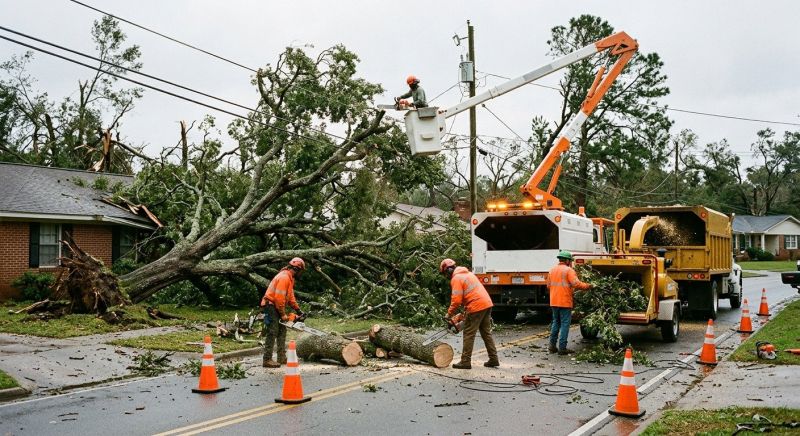
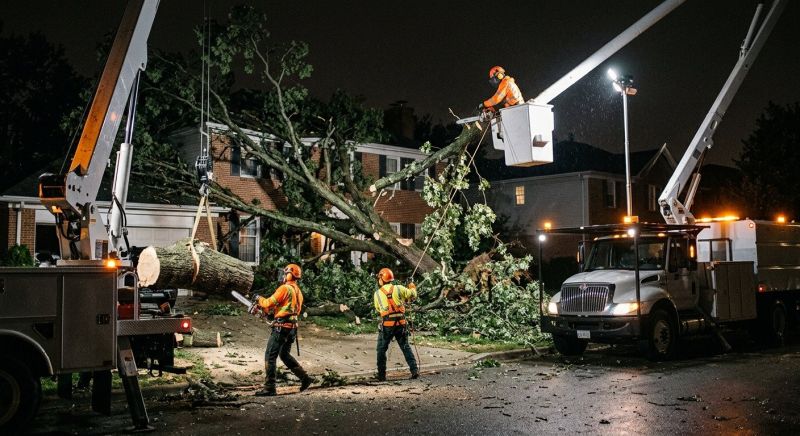
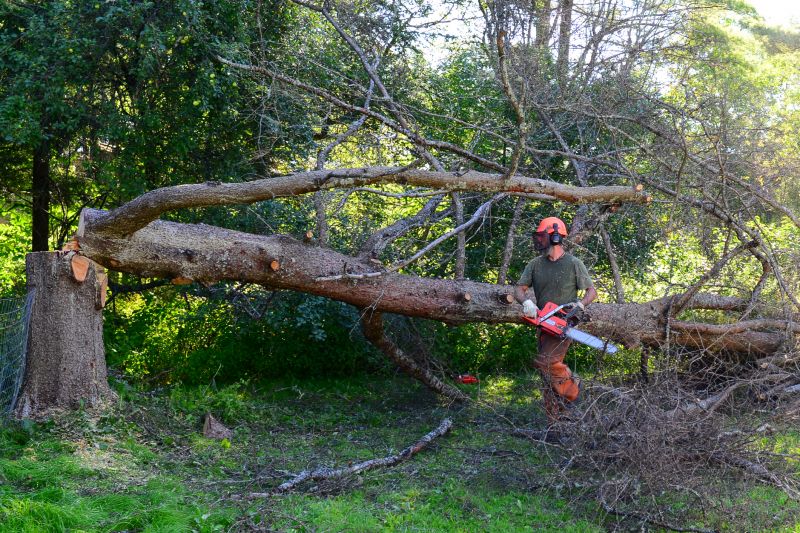
Fallen tree removal services involve safely and efficiently removing trees that have toppled, become hazardous, or are otherwise no longer safe to remain on a property. These projects typically include the removal of entire trees, including the trunk, branches, and root systems, as well as debris cleanup to restore safety and accessibility to the area. Property owners often request this service after storms, heavy winds, or when a tree shows signs of instability, decay, or damage that could pose a risk to people, structures, or other landscape features.
Before requesting fallen tree removal, property owners should consider the size and location of the tree, as well as any potential obstacles such as power lines, buildings, or landscaping features. Understanding the extent of the work needed and any access limitations can help ensure the project proceeds smoothly. It is also useful to know whether the tree was standing or already on the ground, as this can influence the scope of the removal process. Clear communication of these details helps facilitate a safe and effective removal process.
Many property owners in Reno, NV look into Fallen Tree Removal for repairs, replacements, upgrades, and appearance-related improvements.
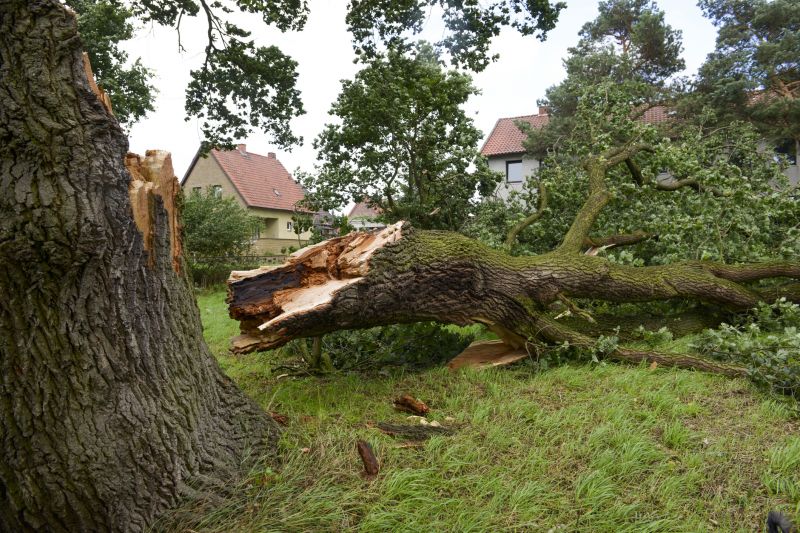
Safety And Clearance
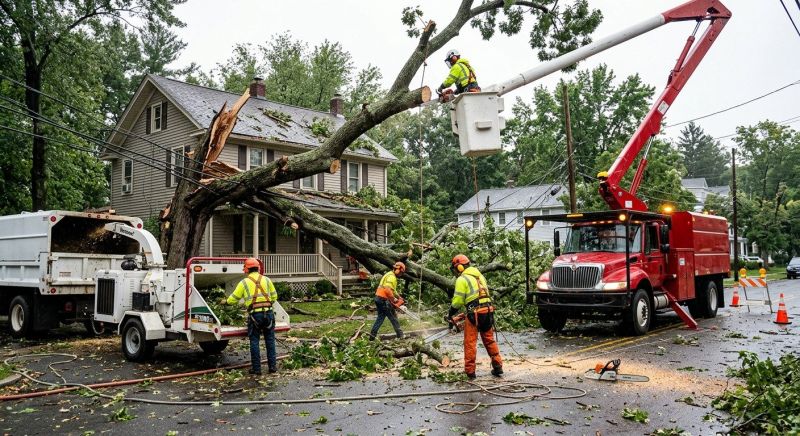
Removing fallen trees helps prevent property damage and ensures safe access around your home.
Property Preservation
Clearing downed trees restores the appearance and value of residential and commercial properties in reno.
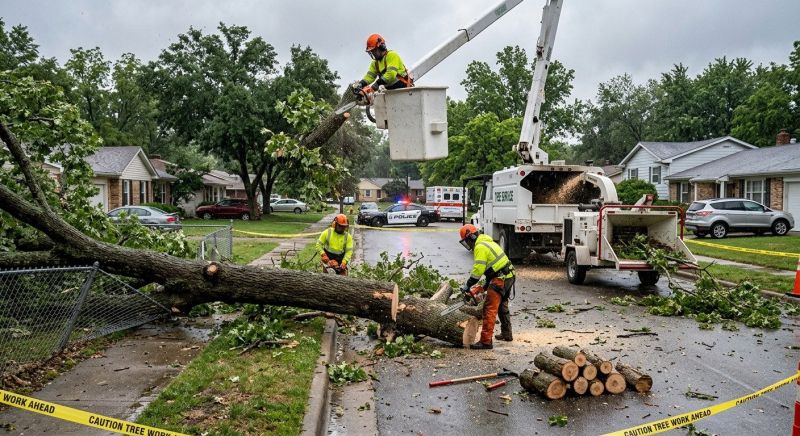
Emergency Response
Prompt removal of storm-damaged trees reduces risks caused by unstable branches or debris.
Fallen Tree Removal in Reno, NV
Fallen tree removal services involve safely and efficiently removing trees that have toppled, become hazardous, or are otherwise no longer safe to remain on a property. These projects typically include the removal of entire trees, including the trunk, branches, and root systems, as well as debris cleanup to restore safety and accessibility to the area. Property owners often request this service after storms, heavy winds, or when a tree shows signs of instability, decay, or damage that could pose a risk to people, structures, or other landscape features.
Before requesting fallen tree removal, property owners should consider the size and location of the tree, as well as any potential obstacles such as power lines, buildings, or landscaping features. Understanding the extent of the work needed and any access limitations can help ensure the project proceeds smoothly. It is also useful to know whether the tree was standing or already on the ground, as this can influence the scope of the removal process. Clear communication of these details helps facilitate a safe and effective removal process.
Many property owners in Reno, NV look into Fallen Tree Removal for repairs, replacements, upgrades, and appearance-related improvements.
Common Fallen Tree Removal Jobs
Fallen Tree Removal - safely removing trees that have fallen due to storms or decay.
Hazard Tree Removal - eliminating trees that pose a risk to structures or people.
Storm Damage Cleanup - clearing debris and fallen trees after severe weather events.
Emergency Tree Removal - providing urgent services for trees threatening safety or property.
Selective Tree Removal - removing specific trees to improve landscape health and safety.
Root and Stump Removal - extracting remaining roots and stumps after tree removal for a clean yard.
Fallen Tree Removal Questions
When should a fallen tree be removed? A fallen tree should be removed promptly to prevent property damage and safety hazards.
What are the signs a tree is at risk of falling? Signs include cracked or leaning trunks, broken branches, or root instability.
Is it necessary to remove a tree after a storm? Yes, removing storm-damaged trees helps prevent further damage and safety risks.
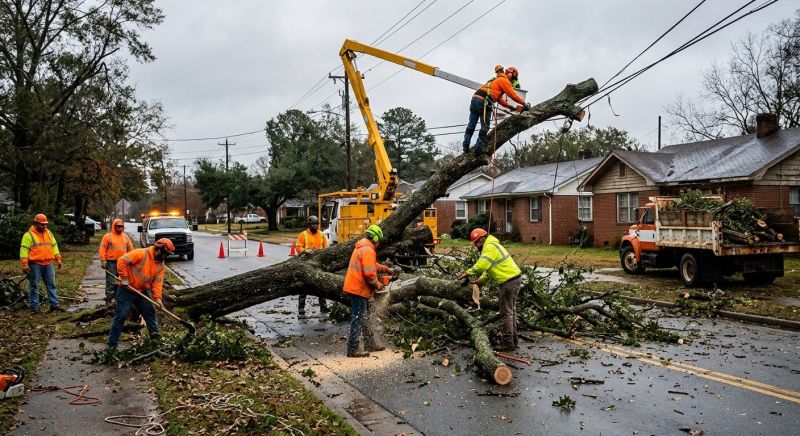
What equipment is used for fallen tree removal? Heavy-duty chainsaws, cranes, and safety gear are typically used to safely remove fallen trees.
Request Fallen Tree Removal in Reno, NV
Use the quote form on this page to share the basics of your project and request more information for the type of work you need.